Best Websites for Stargazing From Your Desk Vol. 1
Archaeological Report
- Status: Active ✅
- First Spotted: September 2026
- Rarity: 💎 Legendary
Want to find something even weirder?
SPIN THE WHEELCurator's Note
You can understand the scale of the universe by using specific websites. This list includes sites that display orbital mechanics, moon phases, and satellite decay through interactive scrolling and dragging. These resources are practical and visually engaging tools that you should consider bookmarking.
Leonid Space
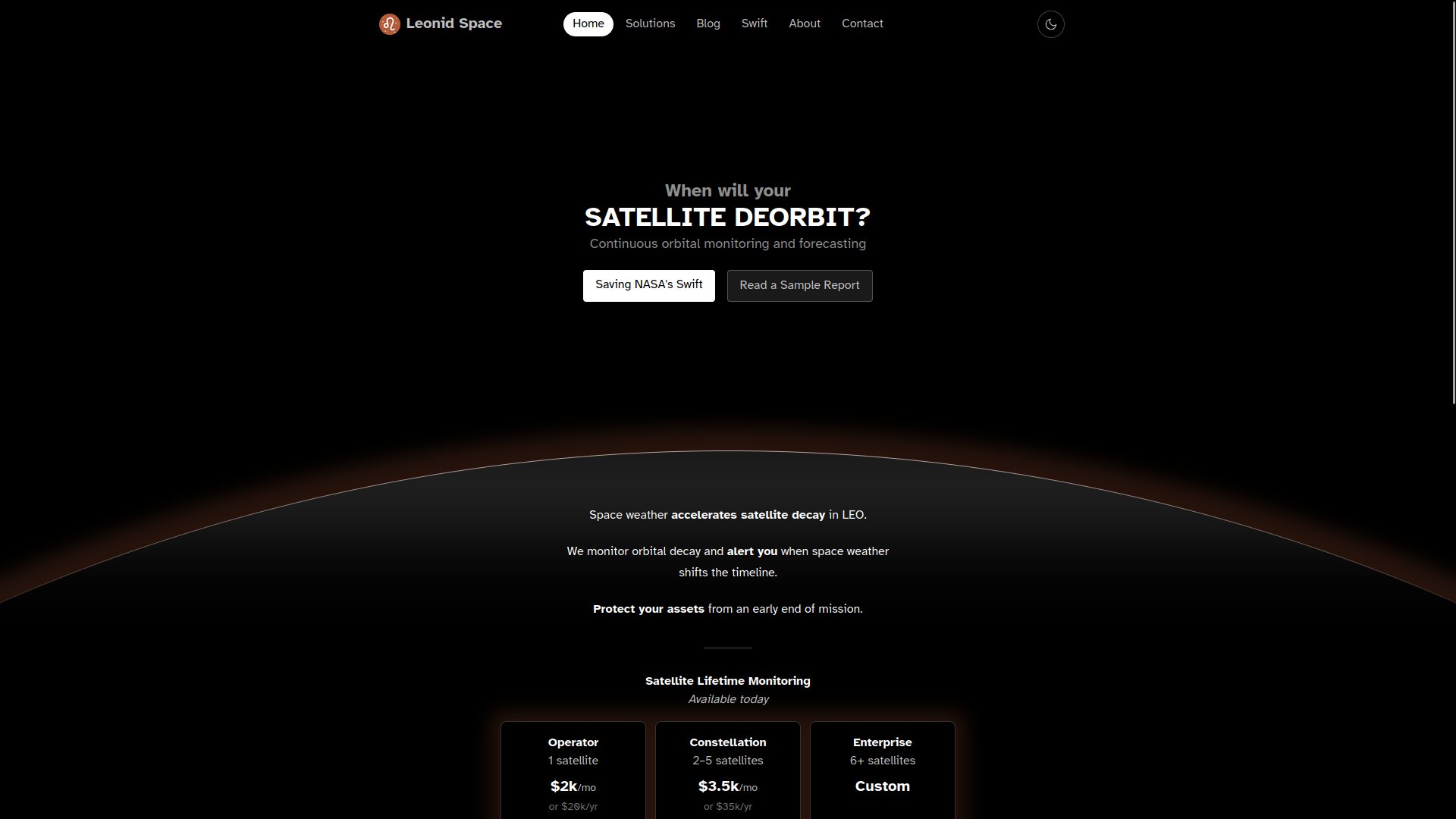
This one's for the folks who look up and think about liability rather than wonder. Leonid Space tracks satellite orbital decay and sends alerts when space weather shifts a spacecraft's expected deorbit timeline — the kind of thing that matters a lot if you're the one operating the satellite.
There's a blog post buried in there called 'The Billion Dollar Surprise,' about what mispredicting Solar Cycle 25 actually cost the industry, which is a good reminder that space weather isn't just aurora forecasts — it's real money and real hardware falling out of the sky sooner than planned.
Note: URL Roulette is not responsible for the contents of external links.
If the Moon Were Only 1 Pixel
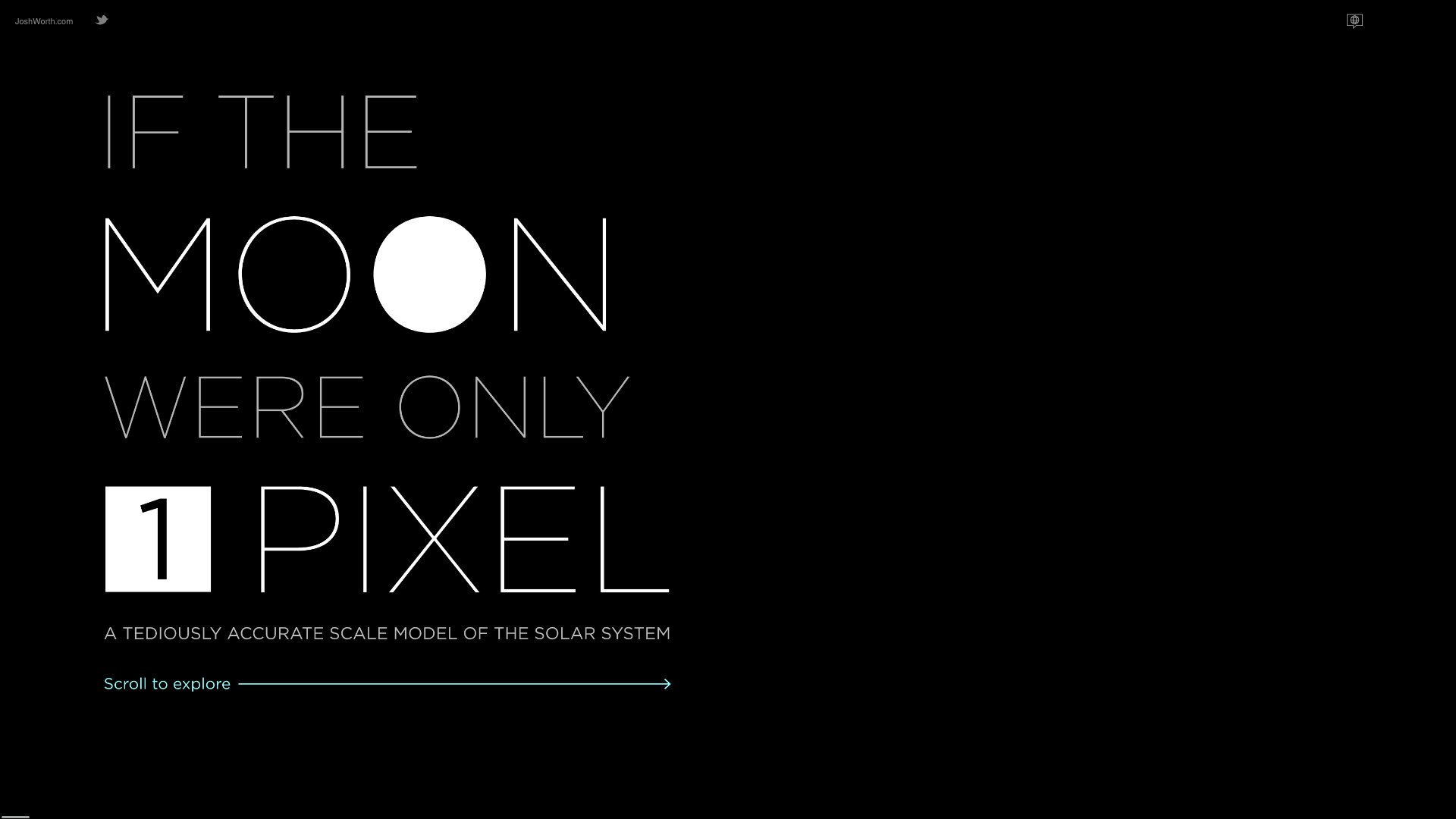
Josh Worth built a scale model of the solar system where the Moon is a single pixel, and then just let you scroll. And scroll. And scroll. It genuinely takes a while to reach Mars, and by the time you hit the outer planets you understand, in your scrolling thumb, why 'most space charts leave out the most significant part — all the space.'
The little asides along the way — comparing the Earth-to-Mars trip to seven months of in-flight movies, or noting it'd take 500 years at highway speed to reach Jupiter — do more to convey cosmic distance than any textbook diagram ever has.
Note: URL Roulette is not responsible for the contents of external links.
Moon (Bartosz Ciechanowski)
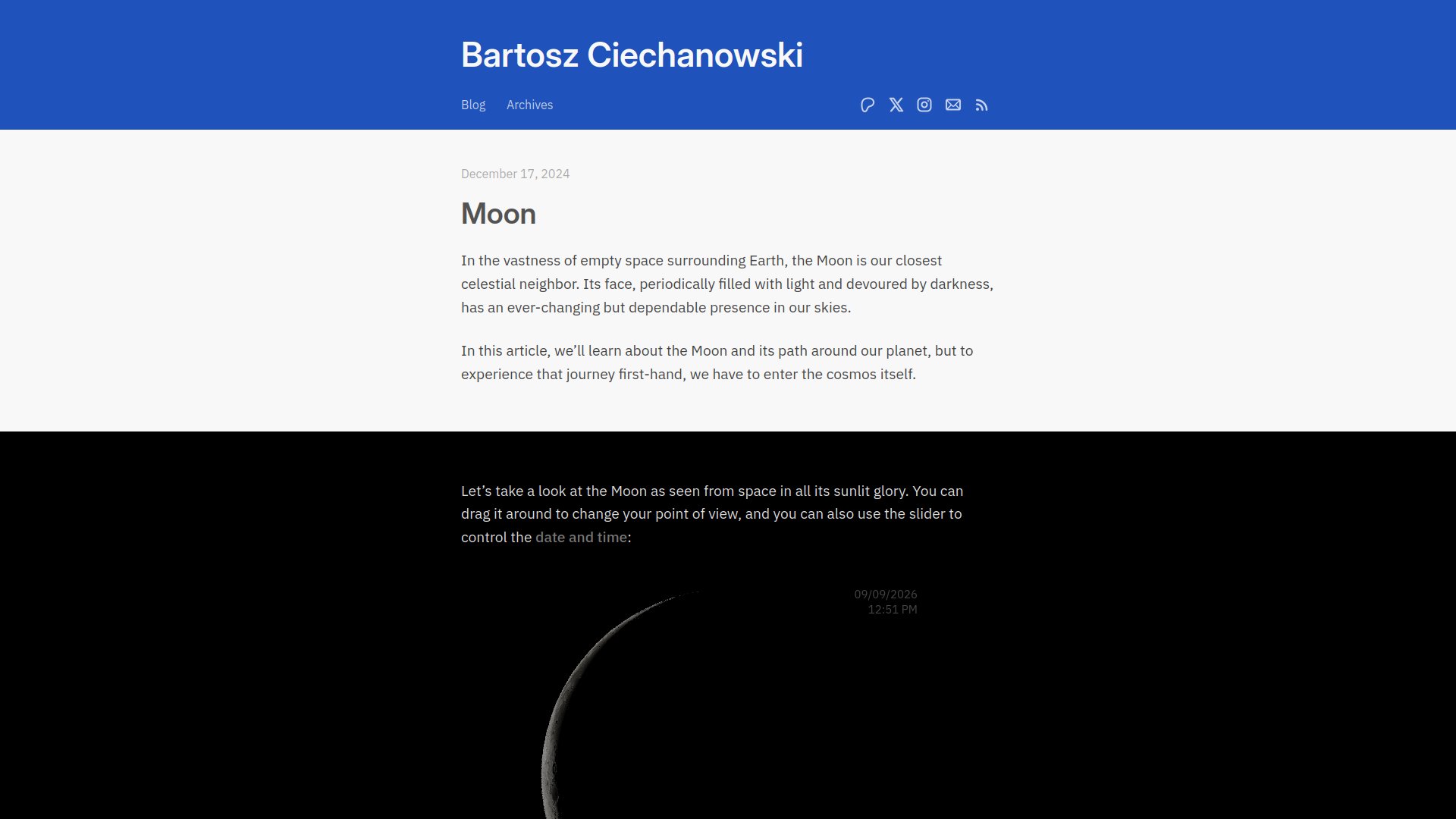
Bartosz Ciechanowski's interactive essays are already legendary among people who like their science with draggable 3D models attached, and his piece on the Moon is a great entry point. You can spin the Moon around in space, then drop into a simulated sky view and watch how its position and phase change hour by hour, day by day, from any spot on Earth you choose.
What makes it stick is the way it builds understanding in layers — first you see the Moon floating freely, then you're grounded back on a horizon watching it wobble across the sky, and suddenly tidal locking and lunar phases make intuitive sense instead of just being facts you memorized once.
Note: URL Roulette is not responsible for the contents of external links.
OpenSPH / Pavel Sevecek
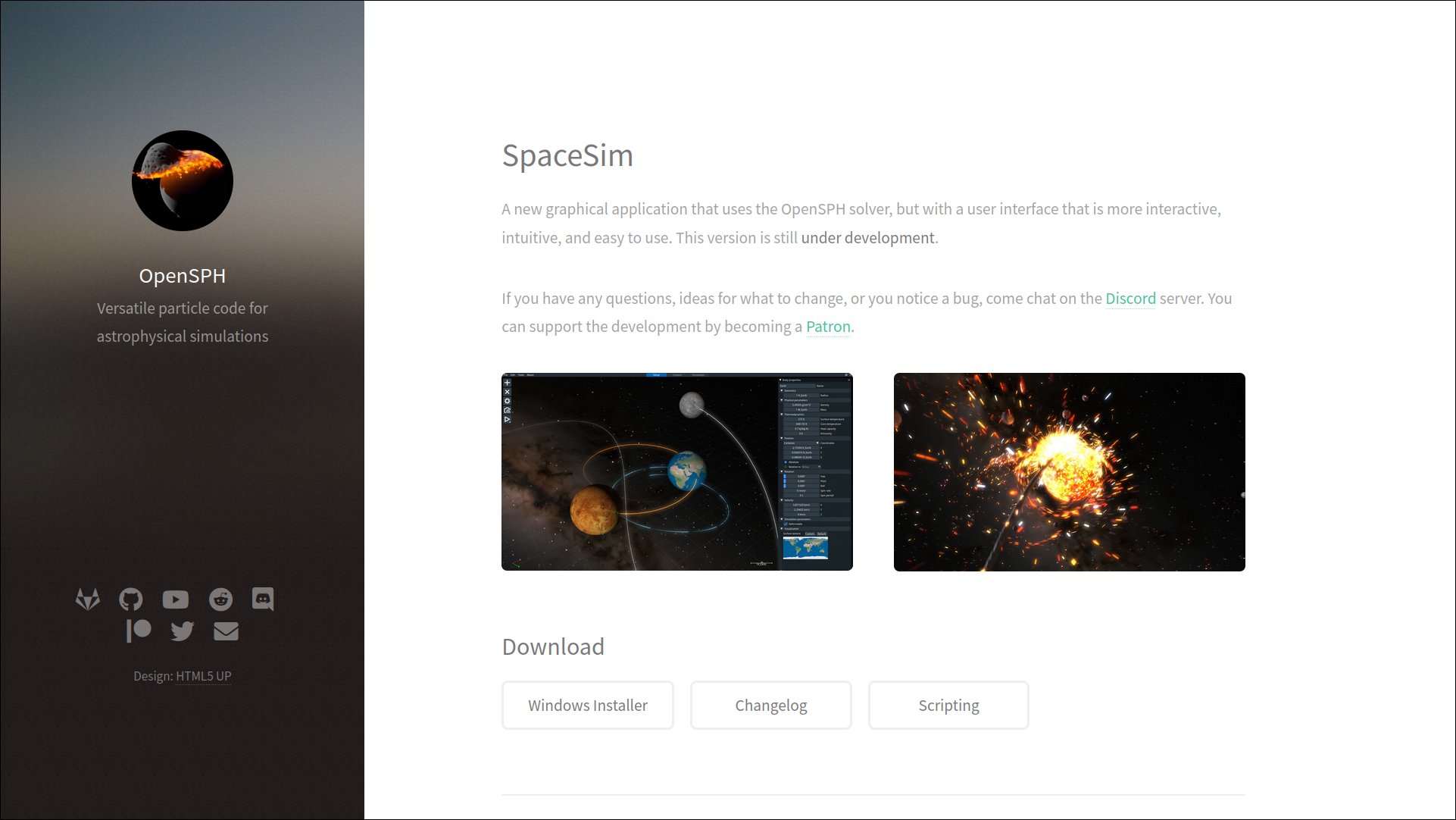
Pavel Sevecek's site is where you go when you want to watch two galaxies collide or Mars smash into Earth at 5km/s, rendered by his own physics engine, OpenSPH. It's a scientific simulation tool at heart, but the gallery of results — black hole accretion disks, moons forming from planetary rings, rubble-pile asteroids reassembling themselves after impact — reads like a highlight reel of the universe's most violent moments.
There's a node-based editor for setting up your own simulations if you want to get hands-on, but even just browsing the videos of an SPH impact simulation modeling the origin of the Hygiea asteroid family is a solid way to lose twenty minutes.
Note: URL Roulette is not responsible for the contents of external links.
Atlas of Space
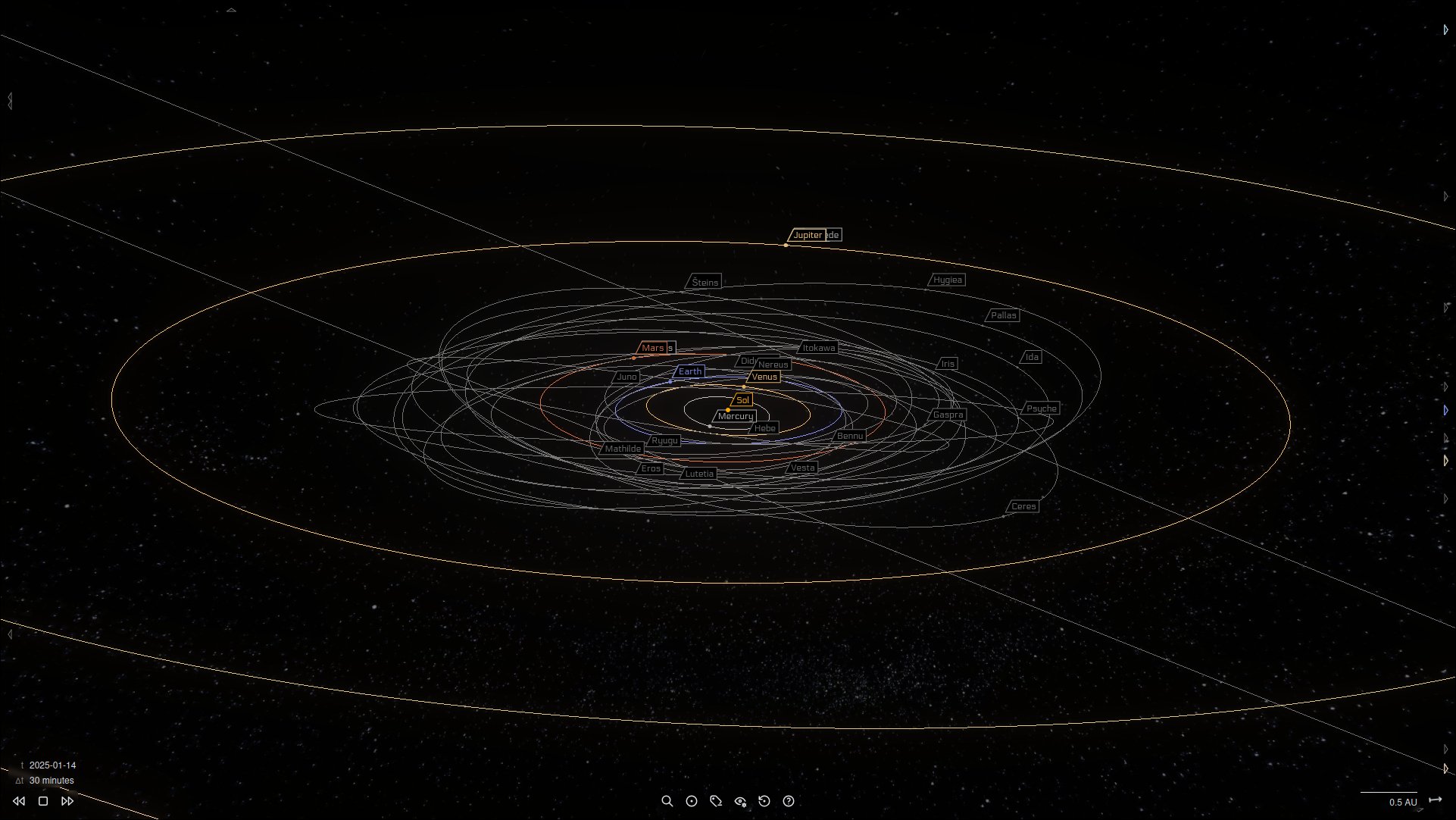
Atlas of Space bills itself as an interactive exploration of the planets, moons, asteroids, and other objects in our solar system, though we couldn't pull much detail from the page itself this time around. Based on the name and description alone, it sounds like a reference-style companion to the more narrative sites in this list.
Worth a click if you're the type who likes browsing a catalog of celestial objects the way other people browse a map — just don't expect us to promise specifics we haven't actually seen.
Note: URL Roulette is not responsible for the contents of external links.